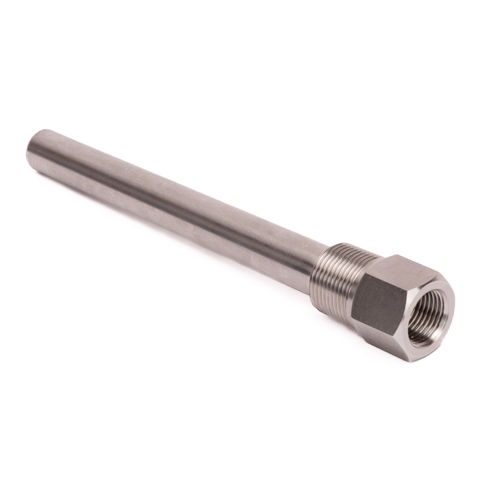
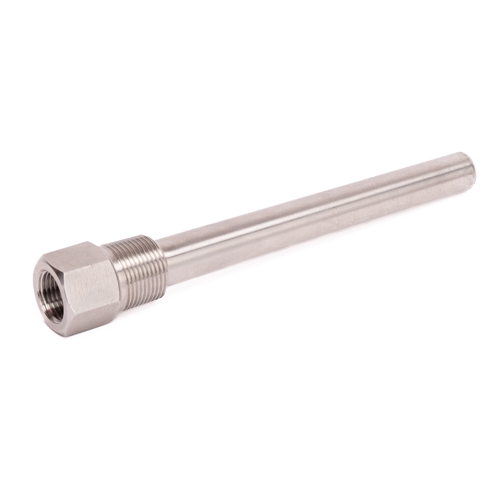
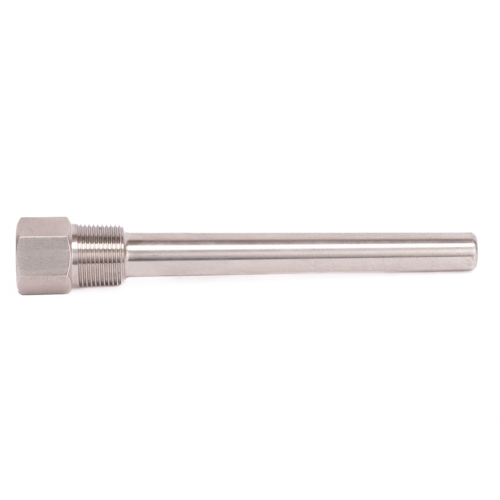
Thermowell Stainless Steel

Price range: $215.00 through $219.00
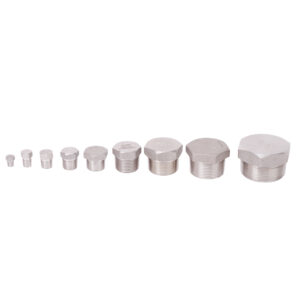
  • Range: 870° to 925°
  • Probe length: 150mm
  • Probe diameter: Tapered 16mm to 19mm
  • Connection: Terminating Threads Variable
  • Material: 316 Stainless Steel
  • Male Thread: 3/4 BSPT
  • Overall Length: 195mm
  • 6.1mm hole 190mm from the end

Please contact us via our phone, email or website to request a custom Thermowell with your specific requirements.
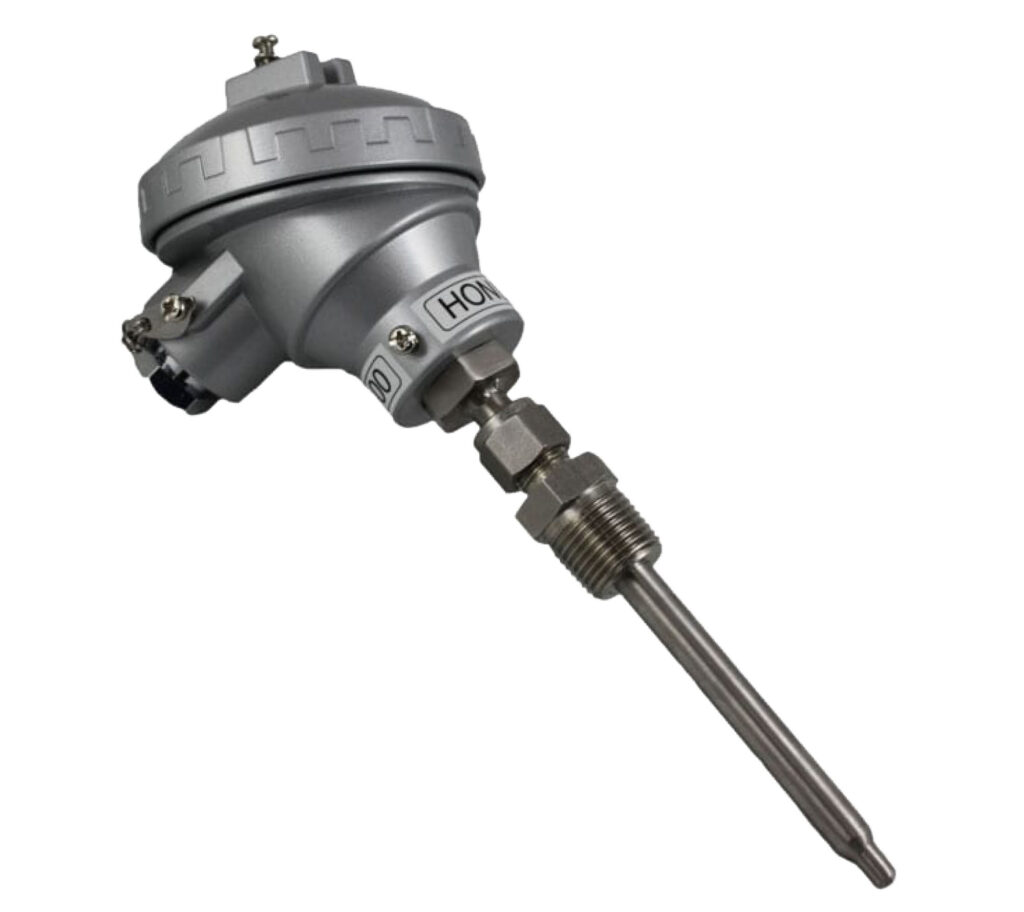
Mineral Insulated Thermocouples

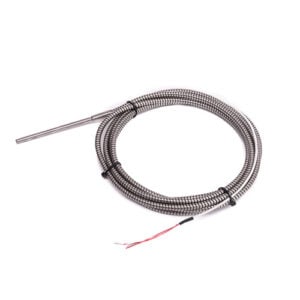
The Mineral Insulated Metal Sheath Thermocouple (MIMS Thermocouple) has become the accepted norm within most industries.

The Mineral Insulated Metal Sheath Thermocouple (MIMS Thermocouple) has become the accepted norm within most industries. It features a variety of temperatures and corrosion resistant sheaths with long lasting operational usage. Thermocouples are used internationally as the cheapest and the most interchangeable temperature sensor available, with a universal connection system they can measure a wide range of temperatures. The Thermocouple is widely used in harsh environments as configurations allow for thick walls and explosion proof heads. Thermocouples main limitation is that the accuracy of up to 1°C can occur and certain temperatures over a period of time. 

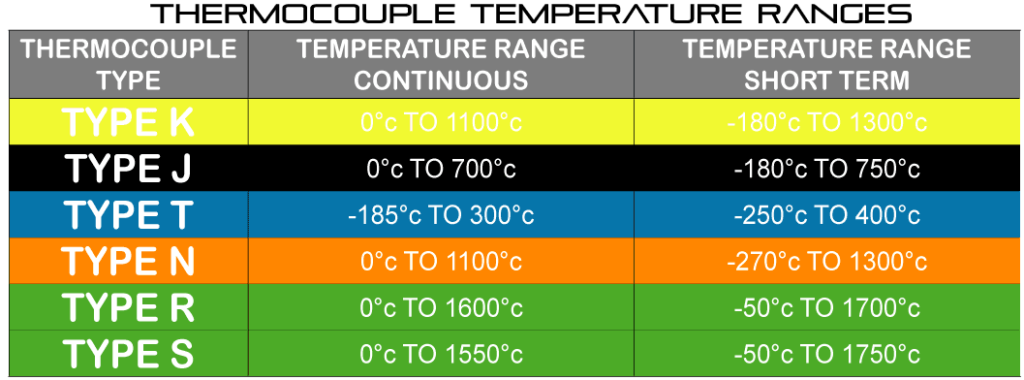
History Shows that an Estonian physician by the name of Thomas Seebeck discovered (Accidentally), that the junction between two different metals generates a small voltage which can be converted into a temperature coefficient. The Thermocouple measures the difference in temperature between two points, the active end or hot junction and the sensor junction cold end junction. This cold end junction is maintained at a constant temperature and is referenced with an RTD or Thermistor allowing a known cold end junction for calibration. There are many different types of metals that can be used that when placed together that produce a stable constant predictable voltage source. A list of the most common voltage sources is listed below.

As the choice of Thermocouple is varied a few factors need to be considered before ordering:

Compatibility

If you are replacing an existing Thermocouple probe, take into account the space allowed for the probe, the holes that are already in place and the connection lead types. It is also useful to note the model and type of the measuring equipment used what type of Thermocouple or RTD the meter reads.

Temperature Range

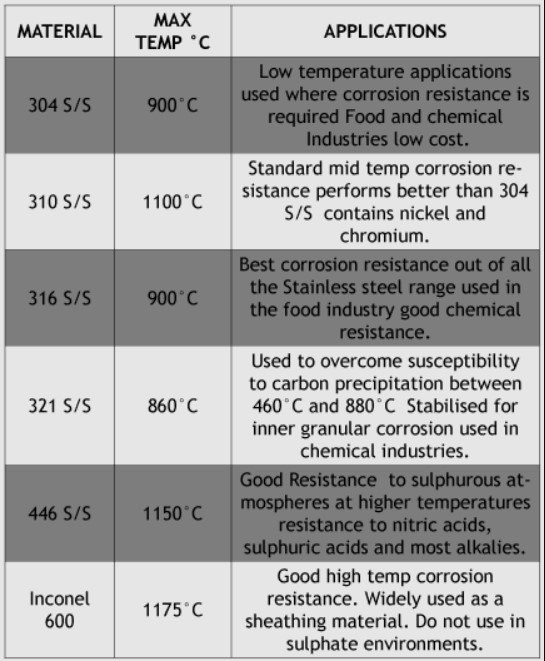
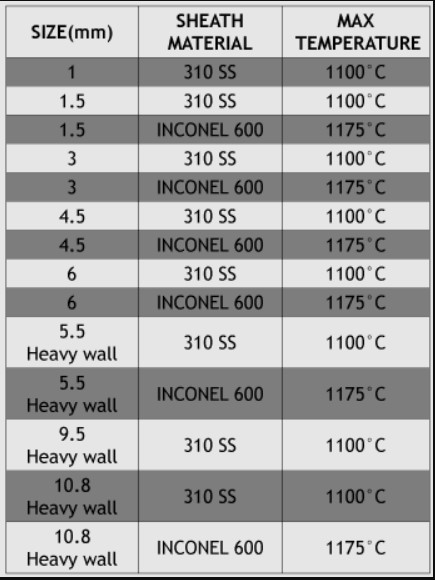
As shown below in the table and in appendix A the temperature range is critical when choosing a Thermocouple probe, as an incorrect probe may not operate correctly in that temperature zone but still may show a temperature, this may prove dangerous given the situation. We recommend that you add 10% to the hottest or lowest temperature of the equipment under test as this will allow for a safety margin.

Sheathing Material

The outer sheath of the Thermocouple or RTD will provide protection against heat allowing a longer lasting probe, chemical attack and abrasion resistance for further reference refer to Sheathing materials chart.

Overall Design

If planning a complete installation of temperature measuring equipment a range of factors needs to be taken into account:

  • Environment the probe or measuring equipment is in wet, dry hot, cold and abrasive
  • The length and position of the cable to connect equipment what machinery does it pass in getting to the probe. An option of solutions is available including Stainless Steel flex conduit metal ducting and wireless communication.
  • Data Logging does the data need to be Stored and retrieved over a period of time forms of chart recorders data loggers USB memory are available.
  • Temperature Control systems for machinery to activate or deactivate are available, the design must take into account set points ramping speeds and dwell times.

Thermocouple Extension Cable

A Thermocouple extension cable must reflect the environment it is placed. ie .The temperature range and machinery that it passes through to get to the measuring instrument is it hot, cold, or abrasive. Will the cable be driven on or suspended over a given distance? For a selection of Extension, cables refer to the cable section.

Hot end junction

There a three ways the hot end can be configured each of these produces a different result for different applications.

Insulated Junction

The most common method of construction providing ungrounded probe elements. This style is Slower in response time but can be used when requiring a low EMF pick up. This is a general purpose application and provides the best compromise for reliability and overall performance.

Exposed Junctions

This junction allows for the element wires to be directly exposed to the environment it is testing, this allows for faster response time but is extremely susceptible to corrosion and not recommended for higher temperature ranges.

Bonded junctions

The bonded junction or grounded junction has the elements welded to the outer sheath. This provides a faster response time then insulated junctions but is not recommended for use in insulated control system networks.

Tip Design

There are many methods that these junctions can be applied to a tip of a Thermocouple to increase it’s reliability and response time.

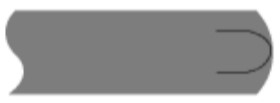
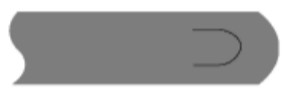
Standard rounded tip

This is the Standard Hot end to an insulated and Bonded junction Thermocouple using MgO powder insulation.

Flat tip

This is the Flat Hot end to and insulated and Bonded junction Thermocouple using MgO powder insulation, used when even end contact is required.

Swage tip

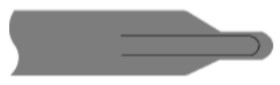
This tip allows for greater response time when using larger size Mineral Insulated (M. I) Thermocouples while still providing the elements with protection.

Extended welded tip

When requiring a permanent contact an extended weld can be added to the tip this allows the tip to be welded directly to the heat source for a faster response time.

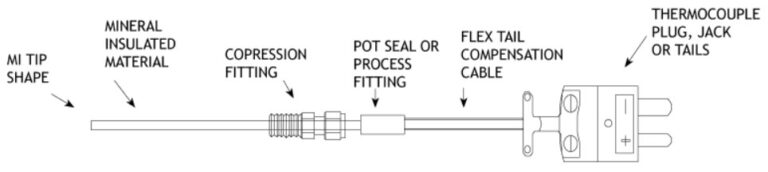
Thermocouple general part terms